11 Creative Methods To Write About Single Bed Bunk
Single Bed Bunks For Your Behavioral Health Facility Bunk beds can be fun and exciting for children but they also free up space for those who enjoy sleeping with friends. This type of sleeping solution can make the most of floor space and make rooms appear larger and brighter. Bunk beds can be found in crowded rooms of human service programs or behavioral health facilities. They are particularly beneficial for rehabilitation and psychiatric youth units. Cost-Effectiveness Metal bunk beds for single beds can be an affordable solution that can provide comfort and convenience for your guests in a health facility. These beds can fit nicely in rooms that are crowded, and are designed to ensure safety by using sturdy ladders and guardrails. These beds can also be equipped with storage options like shelves or drawers that can maximize space in smaller rooms. These features can assist in keeping your guests in order and give them the space they need to feel comfortable and comfortable in a cramped space. 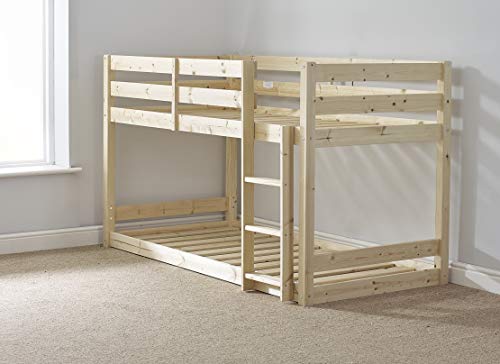 Cost-Effectiveness Bunk beds are more economical than single beds due to the fact that there are fewer beds to accommodate the same number of guests which can reduce initial setup costs. Bunk beds are initially cheaper, but the increased maintenance and replacement costs could offset this over time. Purchase high-quality mattresses and frequent inspections of structural integrity can reduce the expense of repairs and maintenance over the long term. Space-saving bunk beds are also ideal for facilities with a high occupancy, like youth psychiatric or rehabilitation units. They maximize capacity of beds without having to expand the facility. In some cases bunk beds can increase room utilization by up to 25%. But, before purchasing this kind of bed for your establishment make sure you evaluate the space available and the ceiling height to ensure comfort and safety for your guests. Easy Cleaning and Sanitization Single beds are less difficult to clean and disinfect than bunk beds. This improves hygiene standards and decrease the chance of contracting infections. Bunk beds can be difficult to clean and maintain due to their complex design. Accessing a suitable disinfectant regimen and training for staff can significantly decrease the cleaning and maintenance requirements of bunk beds. The lack of Privacy & Storage One of the major drawbacks of bunk beds is that they don't offer the same level of privacy and space as single beds. Having to share a bedroom with another person can make some guests uncomfortable, especially when they suffer from mental or emotional issues that require privacy and space to be addressed. Design Flexibility Bunk beds are an excellent way to maximize space in dormitories or shared bedrooms. Their basic design reduces the structural elements that may fail or break. This helps reduce costs and to maintain high hygiene standards which is crucial for facilities that provide care to vulnerable populations. Bunk beds can also make it easier for staff to reach patients in bed. This reduces the risk of falling, which is a major issue for human services programs and behavioral health facilities. Single bed bunks can also provide more flexibility in room arrangement They can also be easily dismantled to make individual twin beds if needed. This is a fantastic feature for programs that deal with a sporadic and ever-changing population. It can also save money for the facility by eliminating the need to buy air mattresses, cots, or futons. In the end, single bed bunks can be a nice option for homes with a lot of guests where space is limited and utility needs to be paired with design and aesthetics. This arrangement is usually popular with families who can use the bottom bunk for kids or teens and the top bunk to create a bedroom for adults. Bunk beds that can be divided into single beds are an excellent choice for children's rooms and sleepovers. It's a great way to maximize space, and can keep children content and happy while they share rooms. However, it's important to consider safety concerns, such as the need for ladders or steps for climbing between the bunks. In addition, it's recommended to put a nightlight near the ladder or stairs to increase visibility. It is essential to create a secure environment by setting rules and expectations. This will ensure that kids do not jump, run up and down stairs or play on the top bunk. This will help prevent accidents and injuries for your child, particularly if they are young. Safety Bunk beds can be an excellent solution to maximize the space available in bedrooms that are shared by siblings. When single beds bunk bed Bunk Beds Store are choosing the right bunk beds for your children, you should also consider the safety aspect. To ensure the safety of your children in their beds, it is essential to set rules, implement practical measures and adopt routines. This includes making sure that the ladder is secured, letting your children know that the top bunk isn't an exercise in climbing and hanging things on the guardrails. Bunk beds are a great way to maximize space in summer camps, hostels, schools and dormitories. They are used to stack a mattress on top of another. They are also popular in youth psychiatric rehabilitation and facilities because they permit them to accommodate more patients without expanding their footprint. Bunk beds are also great for spaces with limited floor space, such as boarding homes and apartment buildings, because they provide more sleeping space in a smaller space. The primary safety issue with bunk beds is falling and entrapment. To prevent this from happening the framework and slats that support the mattress must be securely fixed to the bed frame. The gap between the slats should not be more than 7.5cm to prevent children from climbing on or getting their arms or legs trapped. Ladders should be securely attached to the bed, and made from sturdy materials. It is essential to select a mattress that is the same size of the mattress. If you select a mattress too large or small your mattress could be unstable and collapse. It's also essential to verify the specifications of the manufacturer on weight restrictions for both the bottom and top bunks. It's best to ensure that the room where the bunk bed will be set is clear prior to beginning to assemble it. This will allow you to focus and stay clear of distractions that could compromise your safety. Make a list with the items you'll require and ensure that they are available before you start building the bunk. Maintenance Children are known for causing furniture wear and tear however, the proper care can minimize this issue. As part of the facility's routine maintenance, bunk beds must be checked regularly for signs of damage or deterioration like loose screws or wood. It is also an excellent idea to strengthen the connections that hold your bed together. This will prevent accidents and injuries, while also extending the lifespan of your bunk bed. It is essential to regularly clean wooden bunk beds. Dust can build up easily and scratch or dull the finish. To avoid this polishing the wood regularly with a wax or furniture polish. This will add a protective layer to the wood which allows it to keep its natural beauty longer. It's also an excellent idea to put furniture rubber caps or pads on the legs of each bed. This can prevent scratches or other damage to the floor. It will also help in moving the beds around if necessary. This is particularly important in hospitals where beds are often moved when patients exit or enter rooms. Avoid placing a bunk bed in direct sunlight. The ultraviolet rays from the sun can cause varnish or wood to deteriorate and lead to cracks or discoloration. Set the bunk bed in a location that is shaded, or cover the room using curtains and blinds to reduce the amount of sunlight. Follow the instructions given by the manufacturer when assembling the bunkbed. It's also a good idea to plan out the various parts and ensure you have the right tools. This will ensure that the process goes as smooth as it can be and minimizes the possibility of misplacing or forgetting screw while making the bed. Single bed bunks are great for hospitals that have high turnover rates of patients because they are much easier to clean than traditional multi-tiered beds. In fact, studies published in the Journal of Hospital Infection have shown that single-bed bunks can reduce cleaning time by as much as 15%, saving staff valuable time and money while maintaining the cleanliness of the facility.